Why life changes can make it harder to manage your home, and how small steps can help
This spring, I stepped away from my organizing work to undergo total knee replacement surgery. I knew recovery would take time, patience and physiotherapy. What I did not expect was how quickly it would affect simple parts of daily life, including my ability to keep up with my home.
My recovery helped me understand something I often see in my work: when life changes, our ability to manage our homes can change too.
A health issue or injury is only one kind of change. A separation or divorce, a move or downsizing, the loss of someone close, retirement, caregiving or a change in family life can also affect our routines, our energy and how we use our homes. Even a positive change can disrupt daily life and bring many decisions.
When life changes, home life changes too
During my recovery, simple tasks took more planning and effort. Carrying laundry, bringing in groceries, using the stairs or putting something away could be difficult.
The same thing can happen during any major life change. Energy that once went toward household tasks may now be needed for appointments, paperwork, money matters, family care, a move or simply coping with what has happened.
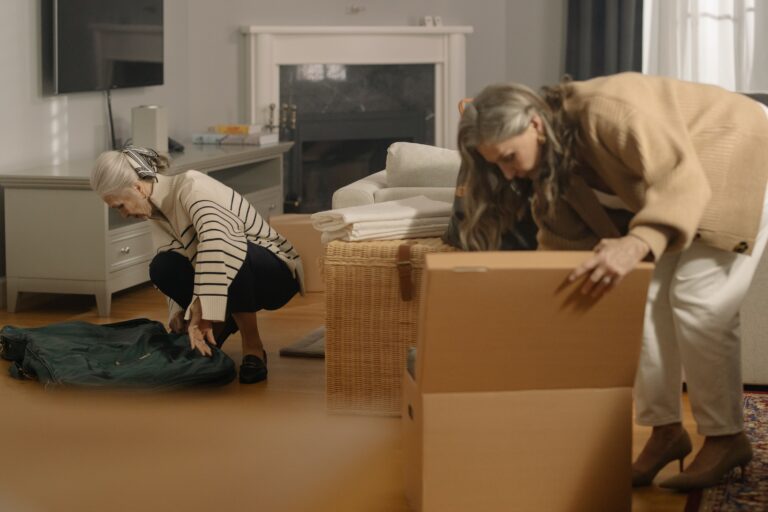
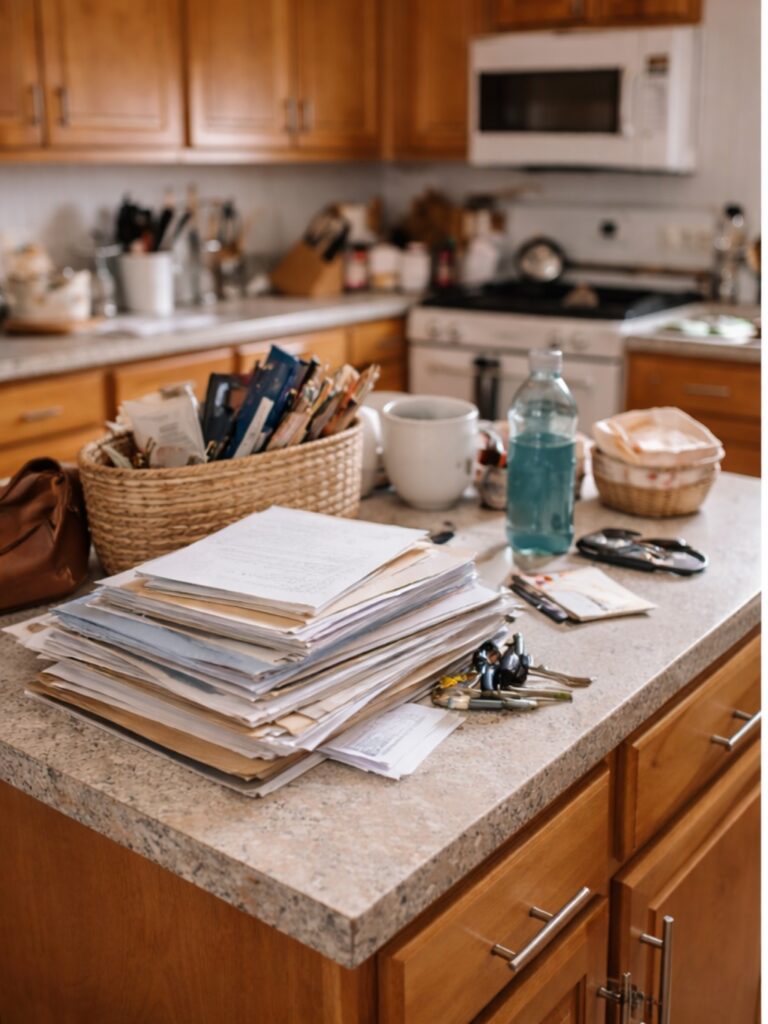
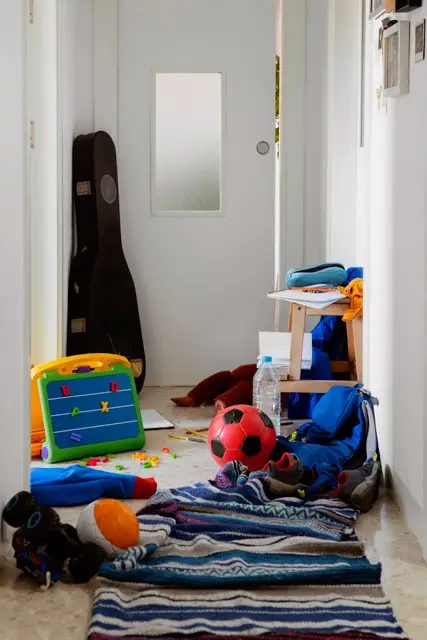
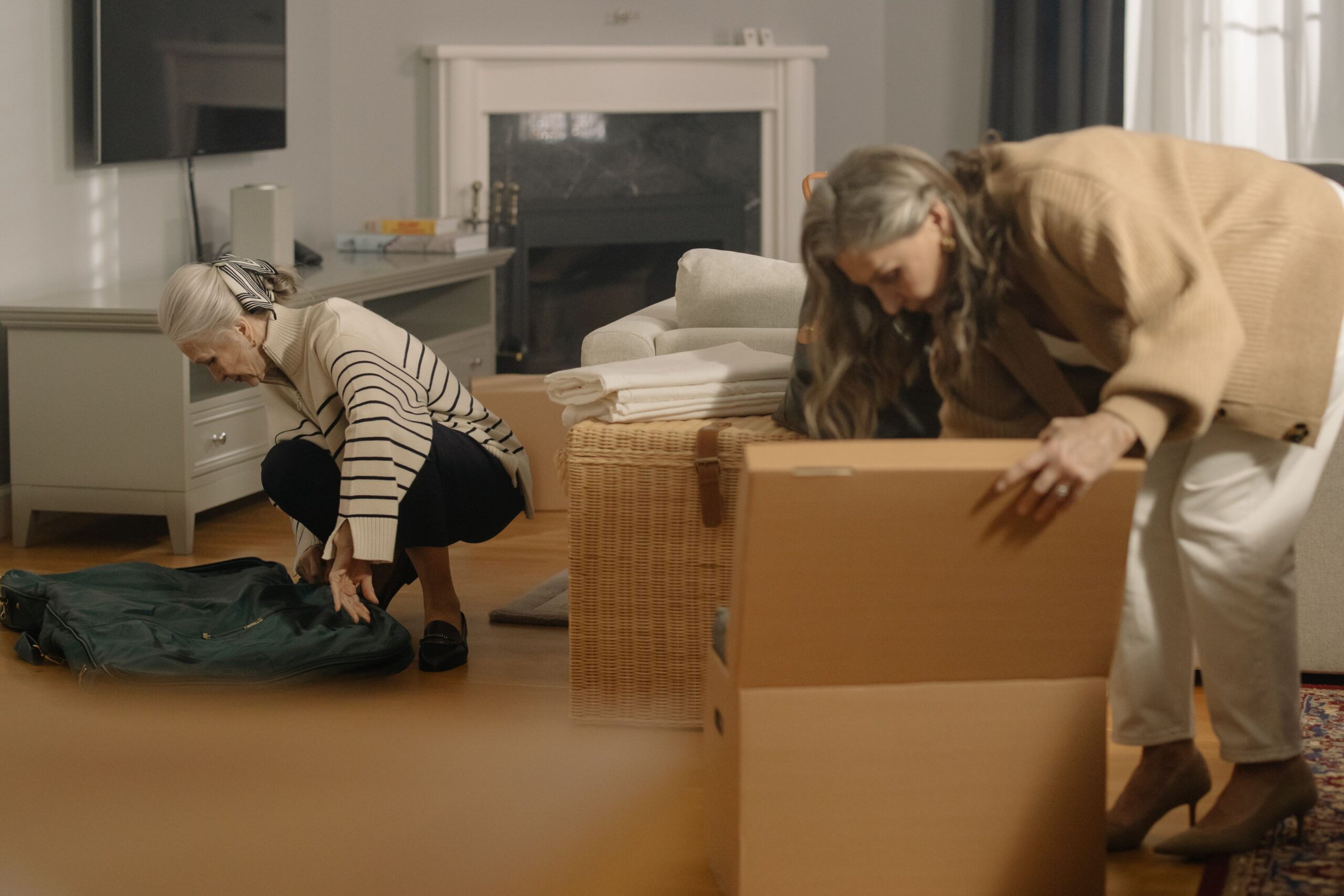
Meanwhile, daily life continues. Mail arrives. Laundry piles up. Boxes remain unpacked. Items without a clear home begin to collect on tables, chairs and floors.
A life change can also leave us in a home that no longer works for us. We may have belongings from a previous home, relationship or stage of life. Downsizing can mean deciding what will fit in a smaller space and what we are ready to let go of. Rooms may need a new purpose. Storage that worked before may no longer make sense.
Why belongings can become harder to manage
During a life change, staying organized is not always as simple as putting something away. Our homes may contain belongings connected to a previous home, relationship, routine or stage of life. Before deciding where something belongs, we may first need to decide whether it still belongs in our home or our life.
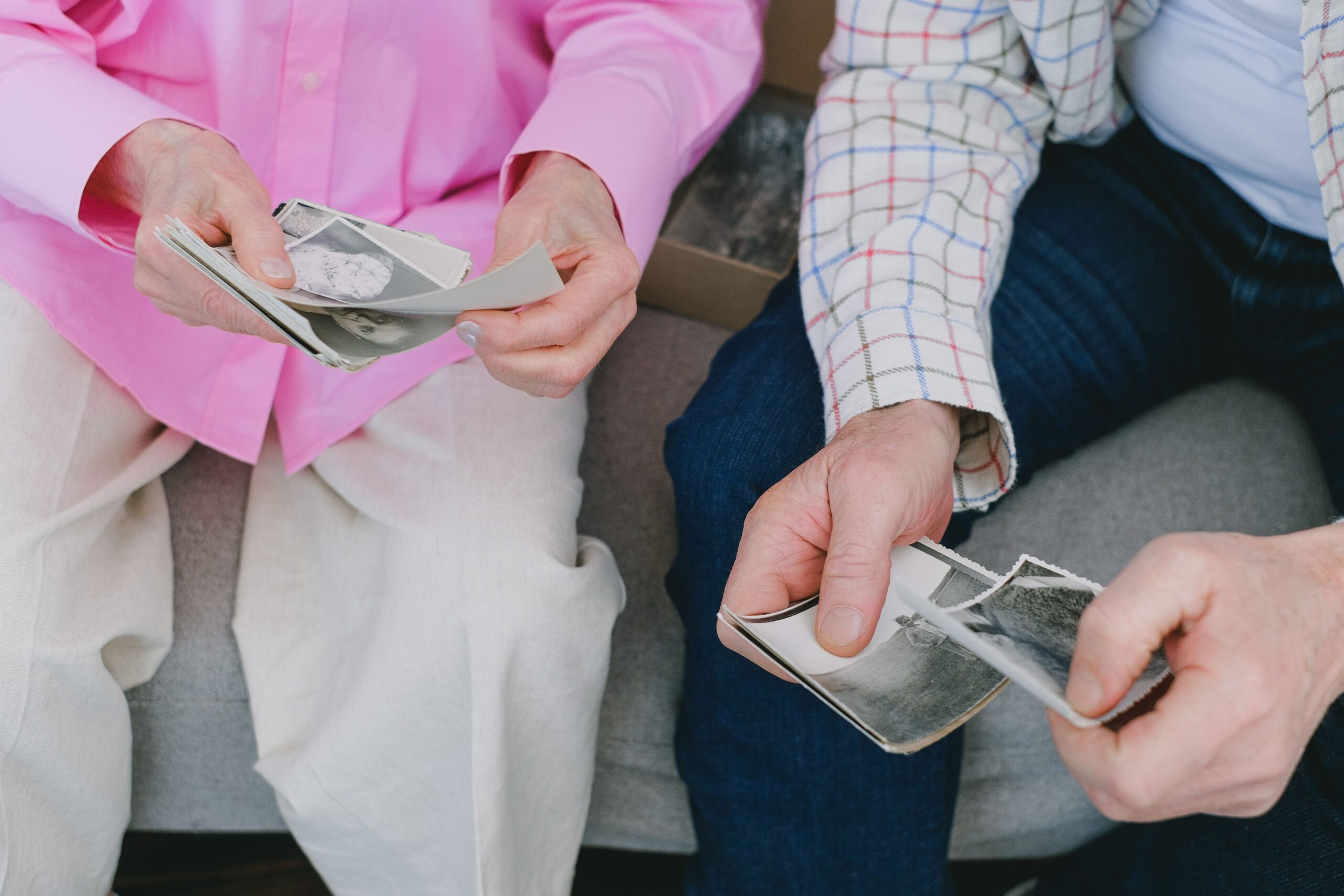
Clothing, furniture, photographs, paperwork and household items can carry memories. Deciding what to keep, donate or let go of can bring sadness, uncertainty, relief or several feelings at once. That is why even one box can take time and emotional energy to work through.
There can also be pressure to make the right choice. When someone already has many important decisions to make, dealing with their belongings can feel exhausting. Sometimes the easiest choice is to leave the decision for another day. As those decisions build up, it can become increasingly difficult to keep the home organized.
A cluttered home is not a reflection of someone's character or how much they care. Sometimes a person is simply using all the capacity they have to manage what is happening in their life and get through the day.
Start with the life and energy you have today
During a major life change, the goal does not need to be a perfectly organized home. The first goal may be to lower the stress and make daily life safer, calmer and easier.
That can mean:
- Starting with the room or area causing the most stress
- Clearing walkways and creating usable space
- Working through one box, category or decision at a time
- Making the decisions that matter now and leaving the rest for later
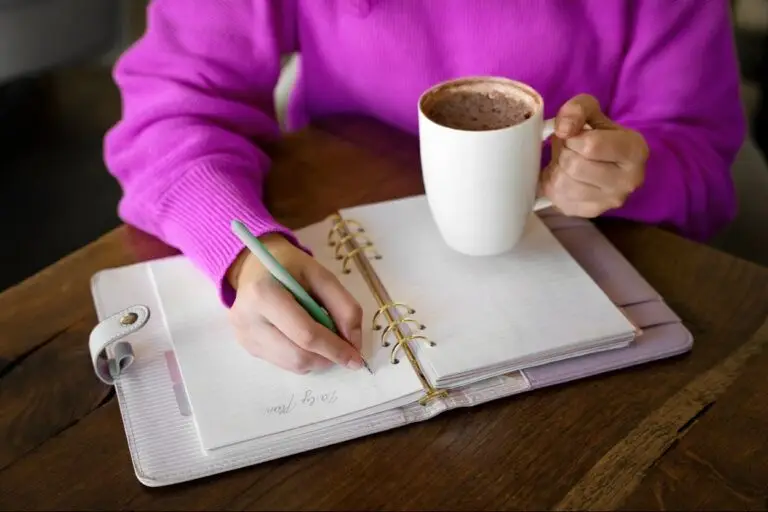
- Creating simple systems that fit your current routine
- Accepting that 'good enough for now' may be exactly what you need
The best organizing system supports the life you are living today. It does not need to fit the life you had before or the way you think you should manage your home.
What compassionate organizing looks like
I was fortunate to have help from my family and friends during my recovery. I was grateful, but relying on other people was not always easy. You can value the help and still feel frustrated by a loss of independence. You may also hesitate to ask again.
My recovery was temporary, but it helped me understand how vulnerable it can feel when your home no longer works the way it once did.
Trying to tackle a whole room or open every box at once can be discouraging. It is often easier to work in small areas and finish one group of decisions before moving to the next.
Sometimes the best support is having someone bring order to the process. They can open and group boxes, sort similar items, prepare donations and keep the work moving. The client stays in control of what stays and what goes but does not have to handle every part alone.
When I enter a client's home, I am not there to judge how the clutter developed or push someone to make faster decisions. My role is to listen, understand what has changed and help find a practical way forward. Progress does not have to be dramatic to matter.
Supportive organizing should help a person feel more capable, not less. It should respect their choices, protect their dignity and help them feel more in control of their home.
Make room for what comes next
What we need from our homes can shift over time. Organizing is not about erasing what came before or creating a picture-perfect space. It is about making room for what comes next.
That may mean preparing a meal more easily, sleeping peacefully in the bedroom, finding important papers or walking into a room without feeling overwhelmed. Small changes can create breathing room and make the next decision easier.
Create a home that works for your life today
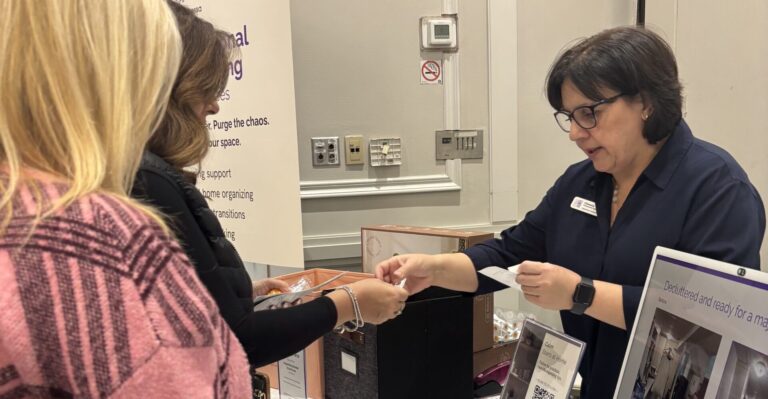
You don't have to manage it all on your own. If a life change has made it harder to stay organized at home, Organizing Contessa can provide calm, compassionate and judgment-free support. Together, we can reduce the overwhelm and create a home that works for your life today.
Book a Free ConsultationClear the clutter. Purge the chaos. Love your space.