 Image: Freepik
January has always been a busy time for me — people wanting to declutter after the holidays, make space for new things and reset their homes for the year ahead. This year, though, I've found myself thinking more deeply about why January looks the way it does.
Recently, there's been more attention on what happens after items are donated — including articles and reports about donation centres being overwhelmed and unable to reuse a significant portion of what they receive. That coverage struck a chord, because it reflects what I see every January: a large volume of items leaving homes all at once, often because they've been replaced rather than worn out.
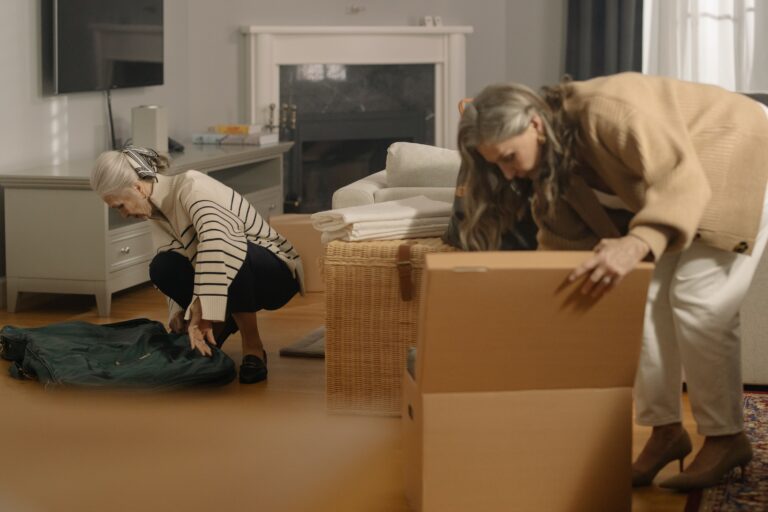
The holiday season is one of the few times of year when many of us are home enough to really notice our spaces. Closets get opened. Storage areas finally get looked at. New items arrive, and older ones suddenly feel ready to go. Decisions are made. Bags are filled. Things leave the house.
Decluttering isn't the problem here. It's the outcome.
Decluttering is skilled, thoughtful work — and it's work that many households genuinely need support with. Helping people sort through what they own, let go responsibly and create functional systems is valuable and necessary. What deserves more attention is what creates the volume in the first place, and how quickly we replace items without always realizing it.
Decluttering as a result, not a failure
Decluttering plays an important role in creating a calm, functional home. It brings relief when spaces feel crowded and helps homes work better for daily life.
At the same time, decluttering is often the price we pay for how much we buy, how often we replace and how quickly things move through our homes. When we talk about overconsumption, decluttering is where it shows up.
January makes this especially noticeable because so much happens at once. Items that have quietly accumulated over months or years suddenly leave homes in large numbers, often headed to donation centres already under strain.
This isn't about blame or judgment. It's about recognizing the cycle.
Letting go to make room for what's new
After the holidays, it's common to let go of older items to make room for new ones. Homes have limits, and something usually has to go.
Donating often feels like the most responsible option — and many times, it is. But when items are replaced quickly, it can be hard to slow down and assess whether something is actually reusable or has reached the end of its life.
When throwing something away feels uncomfortable, donating can feel like the kinder choice, even when the item may no longer be suitable for reuse. That discomfort usually comes from care, not neglect.
The emotional side of donating
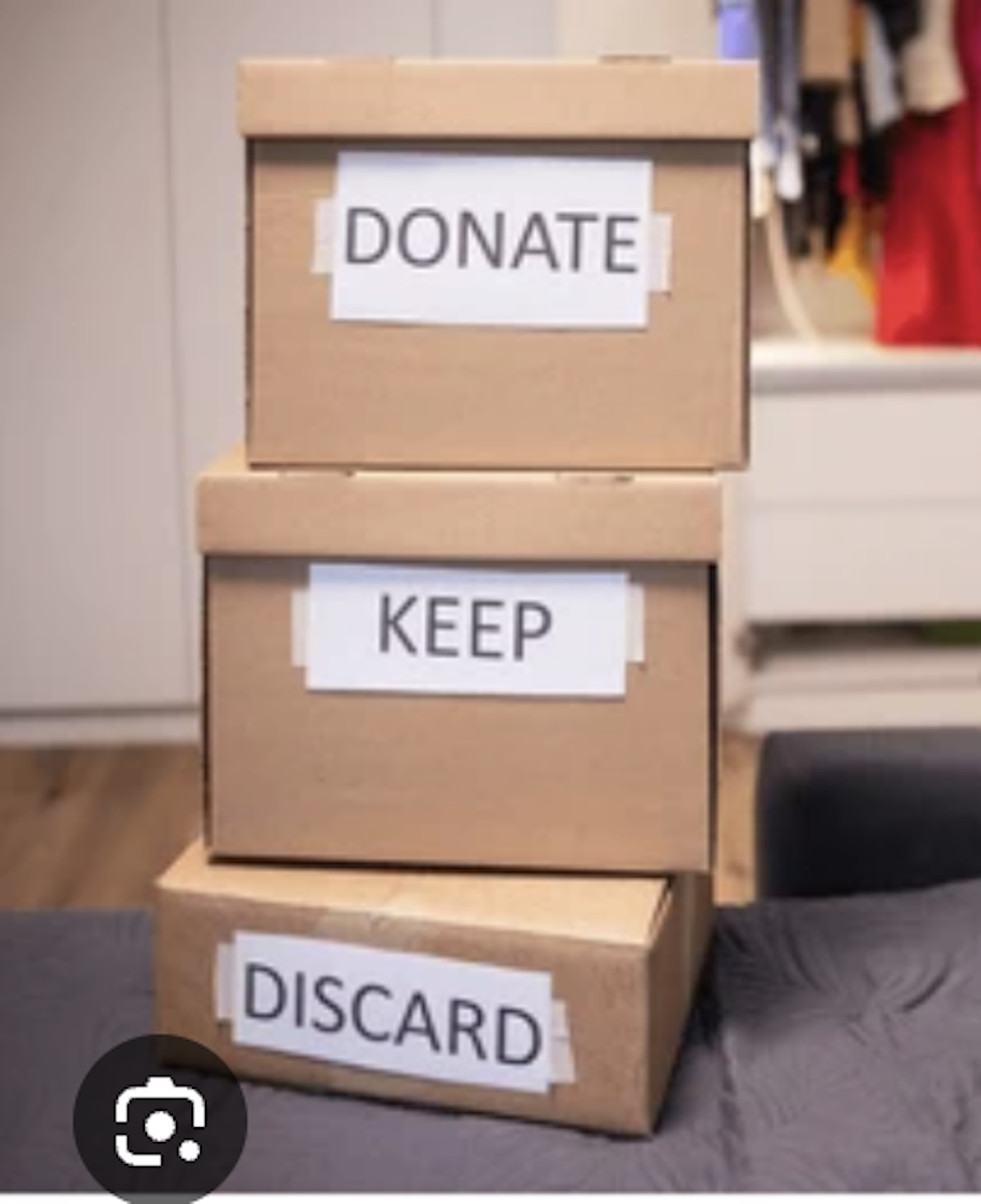
One of the hardest parts of decluttering isn't deciding what to keep. It's deciding how to let go responsibly.
Many people feel guilt when discarding items, especially when thinking about waste and the environment. Donating can feel like a way to avoid that guilt.
The reality is that donation centres can't reuse everything they receive. Items that aren't usable don't disappear — the responsibility simply shifts elsewhere. Understanding that doesn't mean we stop donating. It means we donate more thoughtfully.
A simple donate or discard checklist
Before placing something in a donation bag, it can help to pause and ask a few simple questions:
- Would I give this to a friend as-is?
- Is it clean and ready to use today?
- Is it free of stains, damage or strong odours?
- Does it still work the way it's meant to?
- Is this something people use or need right now?
- Am I donating this mainly because throwing it away feels uncomfortable?
Feeling guilty doesn't mean you've done something wrong. It usually means you care.
If an item doesn't pass most of these checks, discarding it responsibly is often the more honest and considerate choice.
When donating isn't the right fit: How to discard responsibly
When something doesn't belong in a donation bag, it's not always obvious what to do next. Many municipalities offer free tools that help take the guesswork out of deciding what belongs in the garbage, recycling or a special drop-off.
If you're in Toronto or the west GTA, these local tools can be especially helpful:
- City of Toronto Waste Wizard (Toronto, Etobicoke and Scarborough)
- Peel Waste App (Mississauga and Brampton)
- Oakville Waste Explorer
These resources can help reduce uncertainty — and the guilt that often comes with it.
Decluttering as a regular practice, not a seasonal one
Decluttering doesn't need to happen all at once, or only after the holidays. When decluttering becomes a regular, ongoing practice, it tends to feel less overwhelming and less emotionally charged.
Making smaller decisions throughout the year — rather than large ones all at once — can reduce how much builds up and make letting go easier when the time comes.
A different kind of intention for 2026

As we move into 2026, intention doesn't have to mean buying less at all costs or decluttering perfectly. It can simply mean being more aware of what comes into our homes, what gets replaced and what eventually leaves.
Before buying or replacing something, it can help to pause and ask:
- Do I really need this right now?
- Is this replacing something that no longer works, or adding another thing to manage?
- Where will this realistically live in my home?
These questions aren't about restriction. They're about awareness — and about breaking the cycle before it starts again.
Decluttering will always have a place. Homes change. Lives shift. Needs evolve. But when we buy and declutter with intention, we create less to manage, less to discard and less to pass along to already strained systems.
If you're rethinking how you declutter or want guidance making thoughtful decisions about what stays and what goes, I'd be happy to help.