As the year winds down, I find myself reflecting on the homes I've visited and the people I've had the privilege of working with. If your home feels cluttered right now, you're not alone — and you're not failing. Clutter, busy lives and the desire for calm sit at the heart of so many stories I hear.
Why decluttering can feel overwhelming
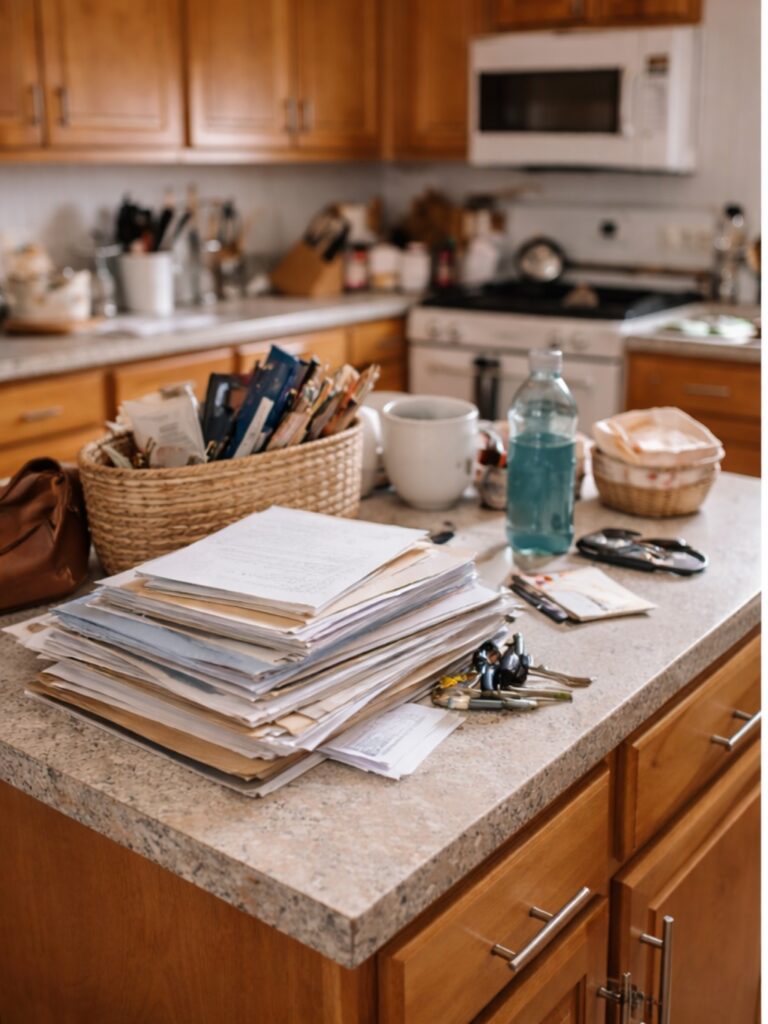
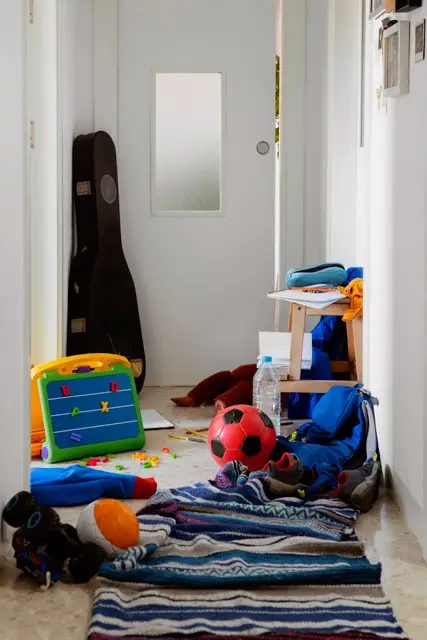
One of the most common questions I'm asked is, "Is this the most cluttered home you've ever seen?" My answer is always the same: not at all — life gets busy and it's hard to stay on top of everything.
What I see in most homes isn't failure or laziness. It's full schedules, busy households and lives that move faster than our homes can keep up with. Between careers, kids, caregiving and daily responsibilities, clutter often builds quietly in the background.
Clutter isn't just physical. It often represents memories, identity and good intentions. Sometimes, our belongings are tied to a different chapter of life and letting them go isn't always easy.
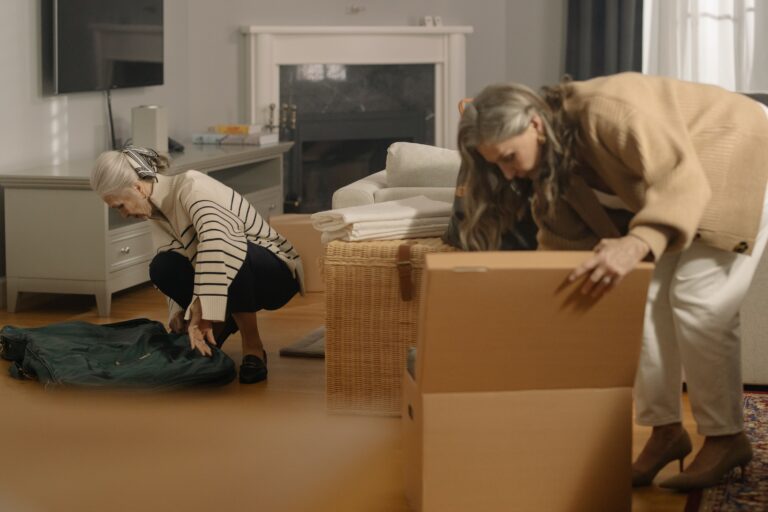
I've seen this firsthand when helping families sort through a loved one's possessions. It's a reminder that meaning doesn't live in objects — it lives in how we use them and the lives we lead alongside them.
At the same time, decluttering can feel overwhelming because it often feels endless. Items are cleared, only to slowly make their way back into the same spaces. Without simple, realistic ways to manage what comes in and where things live, decluttering can start to feel like constant effort rather than lasting relief.
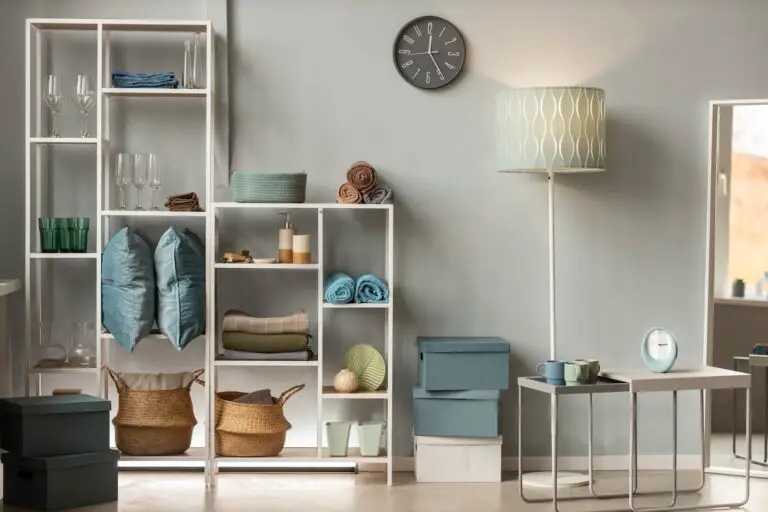
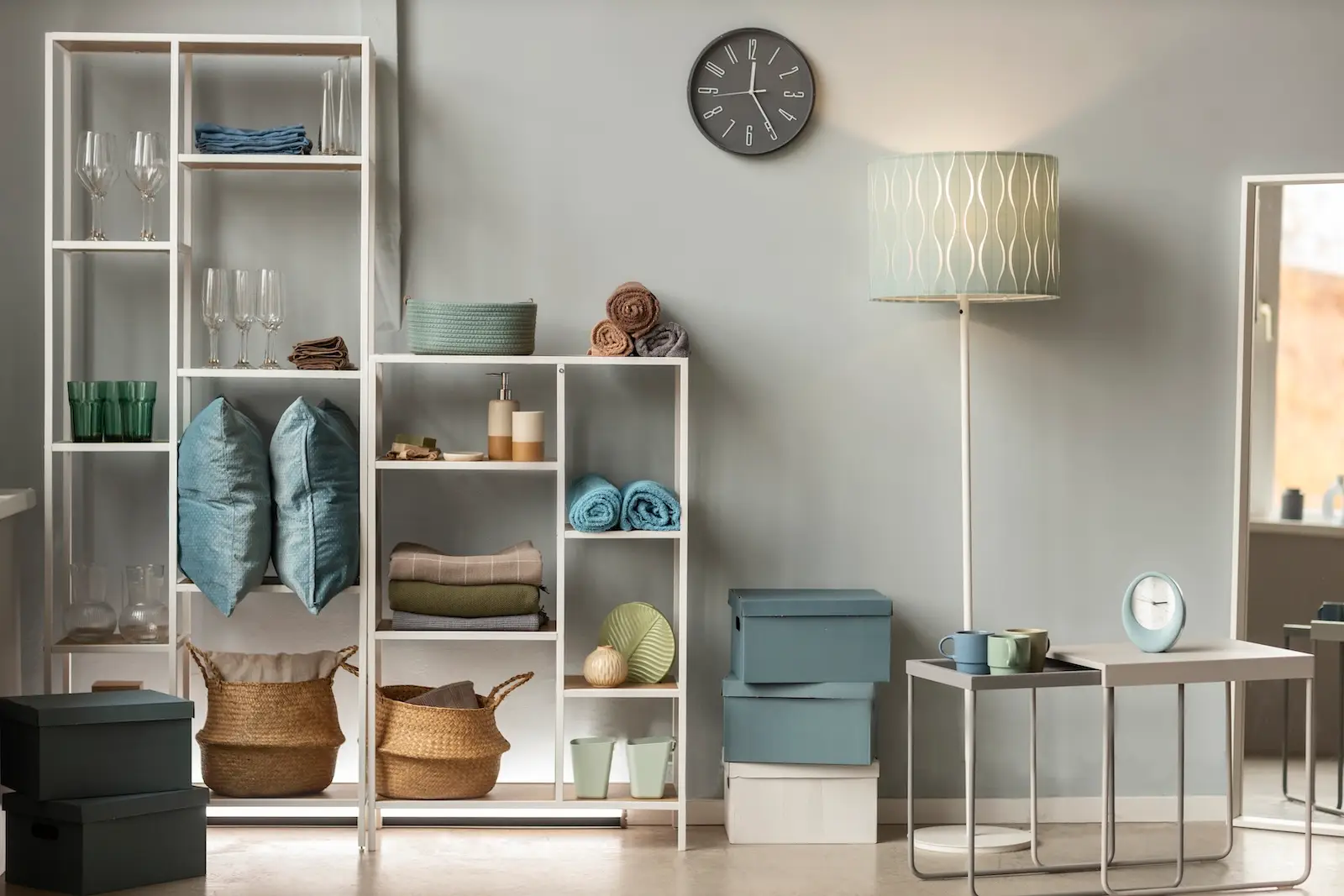
Containers can help, but they're not the starting point. Decluttering comes first. Once there's clarity about what's needed and used, organizing becomes easier and more sustainable.
How this work has changed my perspective
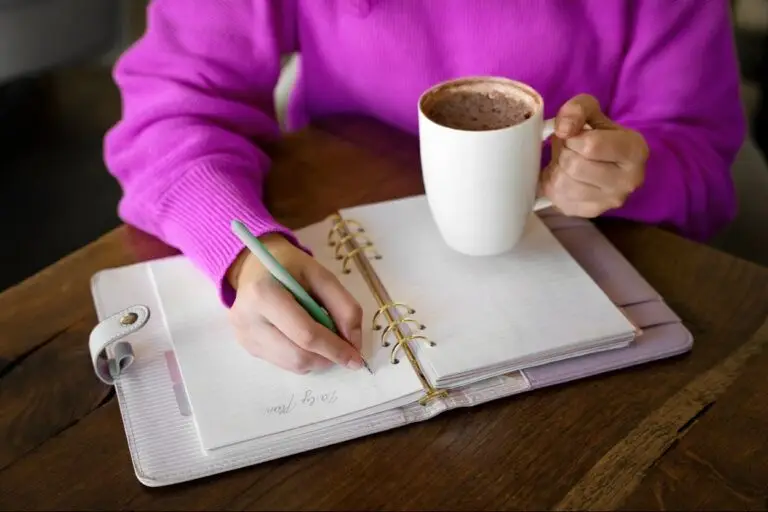
Doing this work has changed how I approach clutter in my own life. When I'm tempted to buy something new, I pause and ask myself if I truly need it, where it would live and whether it supports how I live today.
Giving myself 24 to 48 hours before buying helps me avoid bringing unnecessary clutter into my home. It's not about restriction — it's about intention.
The real impact of decluttering and organizing
The transformation I see in clients' lives is always more than physical. Whether someone is preparing for a renovation, downsizing, unpacking into a new space or simply looking to declutter, the outcome is often the same: relief.
The mental load lifts. Spaces feel lighter and more functional. Clients are often amazed by what's possible once clutter is addressed and systems are put in place.
Organizing through life transitions
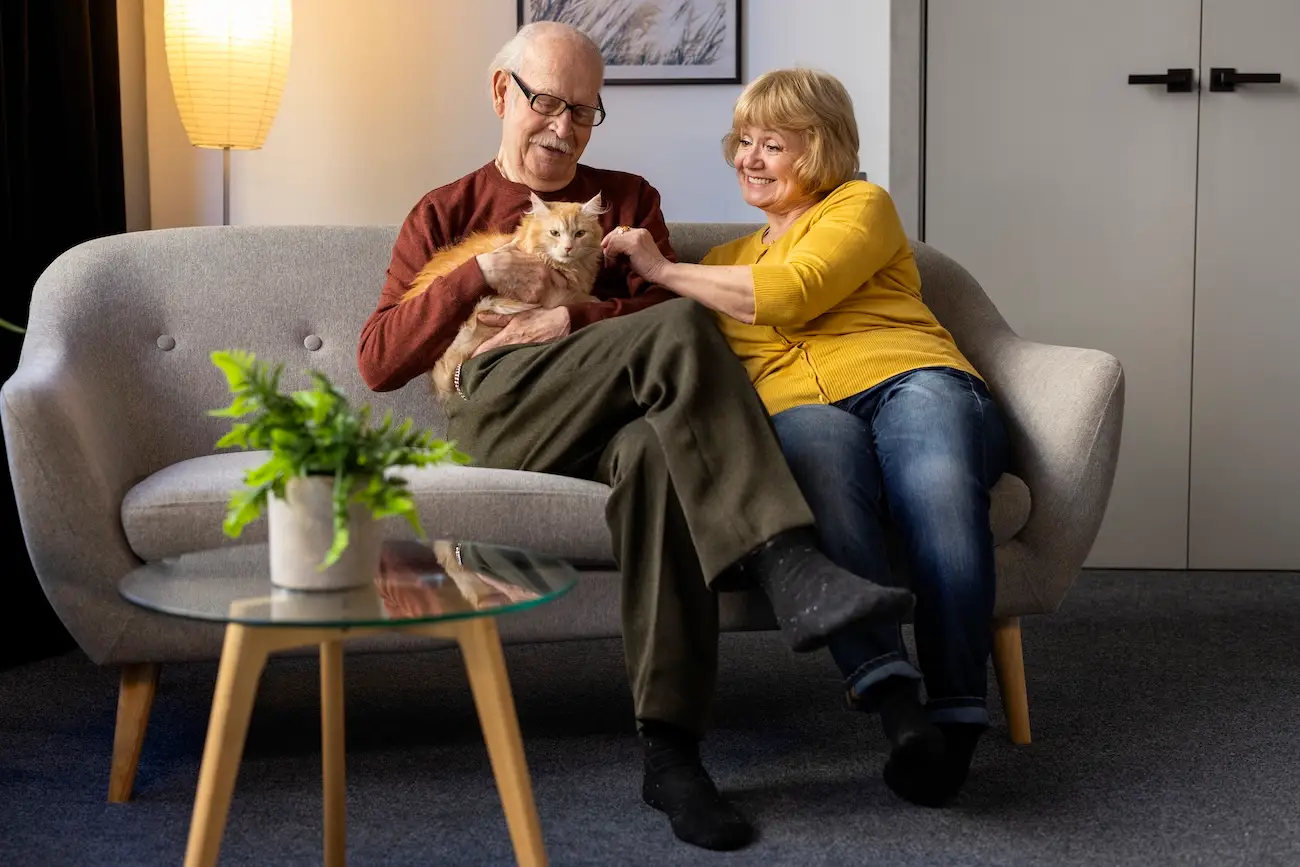
I've worked with older clients and families navigating dementia or Alzheimer's. These experiences are powerful reminders that life changes — and our homes need to change with us.
In these moments, organizing is about safety, simplicity and creating environments that support care and peace of mind.
A gentle reminder as you look ahead
If there's one thing this year has reinforced, it's this: clutter doesn't mean you've failed. It usually means you've been focused on living.
Decluttering isn't about having less for the sake of less. It's about having the right things, in the right place, for the life you're living now.
Organizing is about creating space for the life you're living.
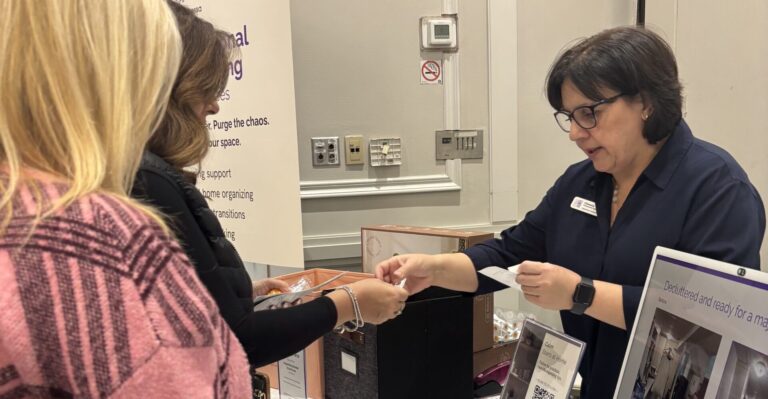
If clutter has been weighing on you, support can make a real difference. From decluttering and downsizing to unpacking and organizing, I work alongside my clients to create spaces that feel calmer and more manageable.
Book a free 30-minute consultation and let's talk about what support would make the biggest difference for you.